
 English
 中文
中文 Русский язык
 한국어
한국어
How Often to Replace Diaphragm on Sanitary Diaphragm Valve? | Qiming

 by admin
You are responsible for maintaining a hygienic processing line—in pharmaceutical manufacturing, biotech, food and beverage, or dairy. The sanitary diaphragm valves in your system are critical components, and the diaphragm itself is the heart of each valve. But how often should you replace it? Replace it too soon, and you are wasting money on unnecessary parts and labor. Replace it too late, and you risk contamination, product loss, and costly unplanned downtime. This guide provides a practical framework to help you determine the right replacement frequency for your specific application.
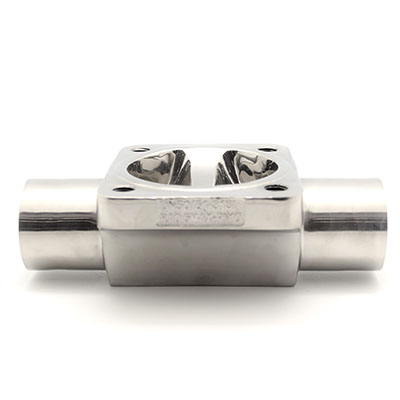
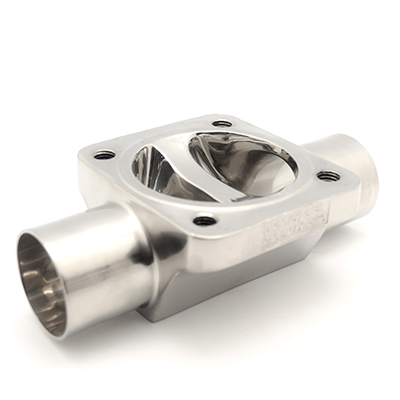
Why Diaphragm Replacement Frequency Matters
The diaphragm in a sanitary diaphragm valve serves a dual role: it functions as both a static seal (sealing the valve body from the atmosphere) and a dynamic seal (the moving element that shuts off flow against the valve weir). Because it is the only barrier between your process fluid and the external environment—and because it flexes with every cycle—the diaphragm is the valve's most vulnerable wearing part.
Failure to replace a worn diaphragm on time can have serious consequences:
-
Product contamination: A ruptured or leaking diaphragm can allow contaminants from the non-sterilized valve topworks—including greases and other fluids—to enter your process stream.
-
Batch loss: Contamination can put an entire batch at risk, requiring disposal or costly hold-and-test procedures.
-
Unplanned downtime: A sudden valve failure can shut down your entire line while you scramble for replacement parts and labor.
-
Safety risks: Leaking process fluids, steam, or CIP chemicals can expose operators to hazardous materials.
The good news is that these failures are largely preventable. A proactive, well-planned diaphragm replacement schedule keeps your process running reliably and cost-effectively.
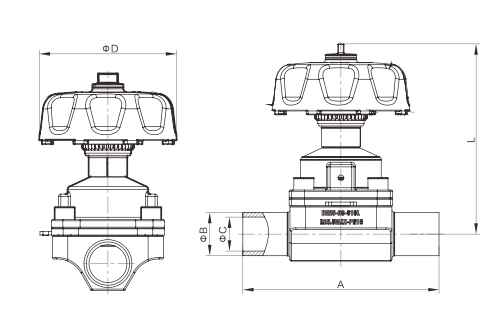
Key Factors That Determine Diaphragm Life
There is no single answer to "how often" because diaphragm life depends heavily on your specific operating conditions. The following factors all accelerate diaphragm wear:
| Factor | How It Affects Diaphragm Life | What It Means for You |
|---|---|---|
| Temperature | Higher temperatures accelerate material degradation | Steam service (SIP) wears diaphragms much faster than ambient-temperature water service |
| Cycle frequency | More openings/closings = more flexing = more wear | Valves that cycle dozens of times per day need more frequent replacement than those that cycle weekly |
| Media type | Abrasive slurries and aggressive chemicals attack the diaphragm surface | Corrosive or particulate-laden media significantly shorten diaphragm life |
| Sterilization exposure | Steam and superheated water are particularly harsh on elastomers | Inspection should be performed every 50 hours of sterilization exposure |
| Diaphragm material | Different materials have different resistance profiles | EPDM, PTFE, silicone, and Viton each offer different trade-offs in temperature resistance, chemical compatibility, and durability |
Steam service is a particularly important factor. Research indicates that while weir-style diaphragm valves may last up to 40,000 cycles in non-steam applications, they fail much more quickly when placed in steam service. Diaphragm failure in steam applications commonly results from either cycle-life fatigue or the aging effects of repeated steam exposure.
Recommended Replacement Intervals by Application
Based on industry practices and manufacturer guidelines, here is a practical reference for diaphragm replacement frequency:
| Application Type | Recommended Inspection Frequency | Recommended Replacement Frequency |
|---|---|---|
| High-temperature / chemical CIP/SIP systems | Every 3 months | Replace if signs of wear are found |
| Pharmaceutical and biotech production | Every 6 months | Replace if signs of wear are found |
| Food and beverage processing | Every 6–12 months | Replace if signs of wear are found |
| Standard service | Annually | Replace annually as a preventive measure |
| WFI (Water for Injection) systems | Annually | Replace annually |
| High-use / severe service | Every 6 months | Consider replacement every 6 months regardless of visible wear |
It is worth noting that many companies choose to change diaphragms on a regular schedule—for example, every six months—whether or not visible wear is apparent, simply to ensure valves do not fail unexpectedly. However, constant replacement without any signs of failure can cost facilities unnecessary time and money. The optimal approach balances preventive replacement with condition-based inspection.
Five Steps to Determine the Right Replacement Schedule for Your Facility
Use this practical framework to build a diaphragm replacement schedule tailored to your operation.
Document Your Operating Conditions
Start by recording the key parameters for each valve or valve group: operating temperature, pressure, media type, cycle frequency per day, and sterilization frequency (if applicable). This baseline data is essential for making informed maintenance decisions.
Establish an Initial Inspection Interval
Based on your operating conditions, select a starting point from the frequency table above. For most pharmaceutical and biotech applications, a six-month inspection interval is a reasonable starting point. For standard service with clean media at ambient temperature, an annual inspection may suffice.
Conduct Regular Visual Inspections
During each inspection, look for the following warning signs:
-
Visible leakage from the valve body or around the bonnet
-
Cracks, tears, or deformation of the diaphragm surface
-
Corrosion or discoloration
-
Bulging—a bulging PTFE diaphragm can reduce flow rate
-
Inability to achieve a complete seal—flow does not stop when the valve is closed
Adjust the Interval Based on Inspection Findings
If you find significant wear at an inspection, shorten the next inspection interval. If the diaphragm shows minimal wear after multiple inspections, you may be able to extend the interval—provided you have documented justification and follow proper change-control procedures.
Keep Detailed Maintenance Records
Document every inspection, replacement, and finding. Over time, this data will reveal patterns specific to your operation—helping you fine-tune replacement intervals and predict failures before they occur.
When to Replace Immediately—Not Later
While a scheduled maintenance program is essential, certain situations demand immediate diaphragm replacement:
-
Active leakage: If fluid is escaping from the valve or the relief bore, the diaphragm has failed.
-
Visible rupture or tear: Any tear in the diaphragm compromises the sterile barrier.
-
Contamination suspicion: If you suspect the diaphragm has allowed contamination to enter the process, replace it immediately and investigate the root cause.
-
Failed visual inspection: Cracks, significant deformation, or corrosion are clear indicators that replacement is overdue.
A diaphragm that can no longer perform its primary sealing function is not just a minor inconvenience—it is a direct threat to process integrity and product safety.
Real-World Application Scenarios
Pharmaceutical WFI Loop
A pharmaceutical facility operates a WFI (Water for Injection) distribution loop with sanitary diaphragm valves. The valves are exposed to hot water (80–90°C) and periodic steam sterilization. Following industry practice, the facility schedules annual diaphragm replacement as a preventive measure. In addition, the maintenance team performs visual inspections every six months. This approach has eliminated unplanned valve failures and maintained the loop's validated status for over three years.
Dairy Processing with Frequent CIP
A dairy processing plant uses sanitary diaphragm valves on pasteurized milk lines that undergo CIP cleaning multiple times per day. The combination of hot CIP chemicals and frequent cycling accelerates diaphragm wear. The plant has implemented a six-month replacement schedule for all diaphragms in this service, combined with monthly visual inspections. This proactive approach has reduced valve-related downtime by over 70% compared to the previous reactive maintenance strategy.
Next Steps—From Maintenance Planning to Valve Selection
By now, you have a clear framework for determining how often to replace the diaphragm on your sanitary diaphragm valve. The key takeaways are: document your operating conditions, start with an industry-standard inspection interval, inspect regularly for warning signs, and adjust your schedule based on actual findings.
Once you have established a reliable maintenance program, the next logical step is to ensure you are using the right diaphragm material and valve design for your specific application. Different diaphragm materials—EPDM, PTFE, silicone, Viton—offer different trade-offs in temperature resistance, chemical compatibility, and durability. Selecting the right combination for your process conditions can significantly extend diaphragm life and reduce maintenance costs.
Understanding the full range of sanitary diaphragm valve options and their maintenance requirements will help you design more reliable and cost-effective processing systems.
Related Reading
-
Sanitary Check Valve vs Pressure Relief Valve – Differences
-
Is a Stainless Steel Mixproof Valve Worth for CIP Lines?
-
How to Install a Sanitary Butterfly Valve with Clamp Connection
-
Understanding Diaphragm Materials for Sanitary Valves: EPDM, PTFE, Silicone, and Viton
-
Sanitary Valve Maintenance Checklist for Pharmaceutical and Biotech Facilities
This article is part of Qiming’s technical content library. No direct sales or pricing information is included. All technical discussions aim to help you make informed purchasing decisions.