
 English
 中文
中文 Русский язык
 한국어
한국어
How to Properly Maintain and Extend the Service Life of a Sanitary Ball Valve?

 by admin
In food, beverage, and pharmaceutical plants, a Sanitary Ball Valve does more than just control flow—it protects product integrity, supports regulatory compliance, and keeps production lines moving. When these valves fail prematurely, the consequences are immediate and expensive: unplanned downtime, product loss, contamination risks, and audit failures.
Most failures don't happen overnight. They accumulate through small, repeated mistakes in operation, cleaning, or maintenance. The good news is that with the right approach, you can significantly extend the service life of your Sanitary Ball Valve and avoid costly replacements. This guide breaks down practical, field-tested strategies that actually work on the plant floor.
Operating Habits That Protect Your Sanitary Ball Valve
The sealing performance of any Sanitary Ball Valve depends on the precise fit between the ball and the valve seat. Excessive force when turning the handle or actuator can wear down sealing surfaces and deform the valve stem.
When operating manually, turn the handle smoothly. If you encounter noticeable resistance, stop and investigate—don't force it. For pneumatic or electric actuators, set torque limits to prevent overload. This is not about being gentle for the sake of it; it's about preserving the精密 fit that makes a Sanitary Ball Valve reliable in the first place.
Another common mistake is leaving the valve partially open during operation. This accelerates wear on both the ball and the seat, and increases the risk of media residue accumulating in the flow path. After each operation, confirm the valve is fully open or fully closed using a position indicator or limit switch.
CIP Best Practices: Clean Without Destroying
Clean-In-Place systems are essential for maintaining hygiene, but aggressive CIP parameters can destroy a Sanitary Ball Valve faster than the process media itself. High chemical concentrations attack PTFE seats. Sudden temperature changes cause thermal shock that deforms seals. Excessive pressure stresses every component.
Many plants push CIP systems harder than necessary, assuming that "stronger means cleaner." In reality, this habit dramatically shortens the lifespan of any Sanitary Ball Valve. Run cleaning cycles within the manufacturer's recommended pressure and temperature limits. Use full-bore valves so cleaning fluids can flush all internal surfaces completely. And never hold the valve partially open during CIP—this creates死角 where residue can accumulate.
One practical tip: rotate the ball 20 to 45 degrees from the open position a few times at the beginning of each cleaning cycle. This helps cleaning fluid reach areas that might otherwise be missed.
Regular Inspections: Catch Problems Early
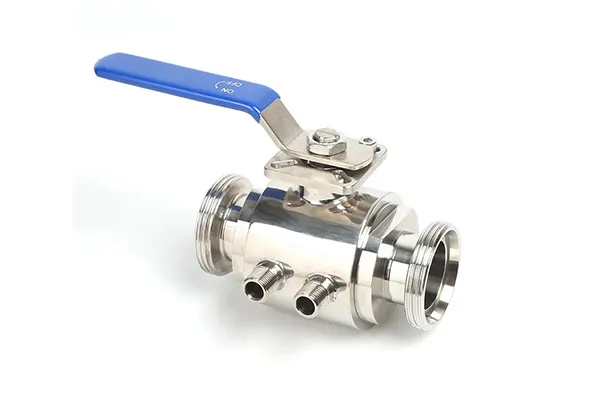
A Sanitary Ball Valve that looks fine on the outside may be failing on the inside. Regular inspection is the cornerstone of preventive maintenance.
Visual checks should be performed during scheduled shutdowns. Look for leaks or drips around seals and connections. Check for cracks or corrosion on the valve body. Ensure all clamps, fittings, and gaskets are properly seated. Confirm that handles and actuators move freely without binding.
Beyond visual inspection, internal components need attention. Follow the manufacturer's guidelines for disassembly. Inspect seals and seats for wear or deformation. Clean internal components with approved CIP solutions and dry completely to prevent microbial growth.
For high-use applications, inspect every 5,000 cycles or as required by your industry standards. As a general benchmark, most applications should achieve at least one year between maintenance cycles under normal conditions. If your Sanitary Ball Valve falls significantly short of that benchmark, investigate whether the root cause is application conditions, poor CIP procedures, or incorrect material selection.
Seal Replacement: Don't Wait for Leaks
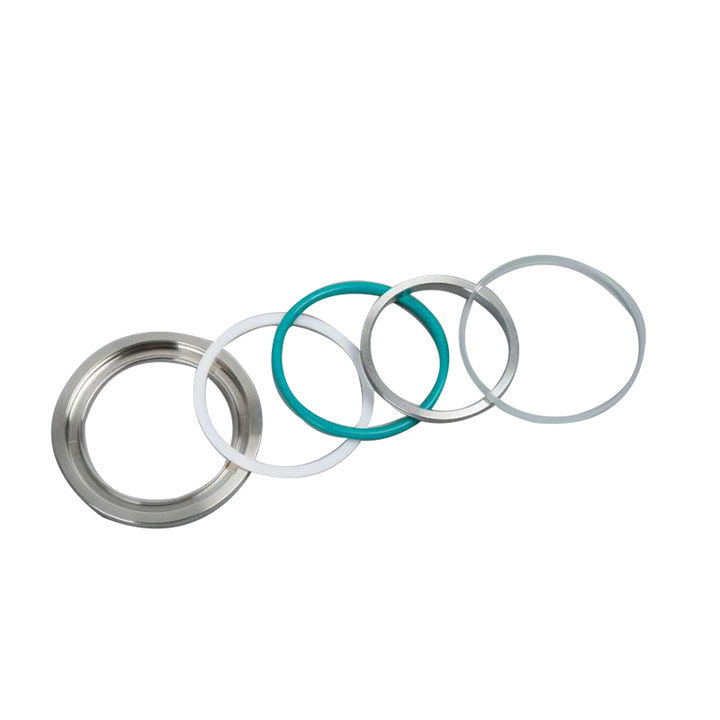
The most common point of failure in any Sanitary Ball Valve is the seals. PTFE and other sealing materials age, harden, and crack over time. Temperature cycling, chemical exposure, and mechanical stress all accelerate this process.
Replace product-wetted seals preventively—don't wait for visible leakage. Most manufacturers recommend replacement every 12 months under normal service conditions. If your process involves high temperatures, abrasive media, or frequent cycling, consider shorter intervals.
When replacing seals, always use manufacturer-certified parts. Non-certified seals may compromise hygiene, fail to meet FDA or 3-A standards, and ultimately cost more in downtime than you saved on the parts.
The 3-Piece Advantage: Maintenance Without Downtime
Not all Sanitary Ball Valve designs are created equal when it comes to maintenance. This is where the difference between a 2-piece and a 3-piece design becomes critical.
A 2-piece Sanitary Ball Valve offers lower upfront cost but is essentially non-serviceable—when it fails, you replace the entire unit. A 3-piece design, by contrast, allows the center section to swing out for quick seal replacement without removing the entire valve from the pipeline. This means you can replace worn seals and get back online in minutes rather than hours.
For critical process lines where downtime is measured in thousands of pounds per hour, the 3-piece design pays for itself many times over.
Conclusion
Extending the service life of a Sanitary Ball Valve isn't about one big decision—it's about small, repeatable habits. Operate with care. Clean with precision. Inspect regularly. Replace seals before they fail. And choose a design that makes maintenance straightforward rather than disruptive.
Implement these practices, and your Sanitary Ball Valve will deliver reliable, hygienic performance for years beyond what you might expect. More importantly, you'll avoid the unplanned downtime, product loss, and audit failures that plague plants where maintenance is an afterthought.
Ready to Get the Most Out of Your Sanitary Ball Valve?
Every process line is different, and the right maintenance strategy for your Sanitary Ball Valve depends on your specific media, temperature range, and cycle frequency. At QiMing Stainless, we don't just supply valves—we help you optimise their performance over the long term.
Whether you need help diagnosing a recurring issue, selecting the right 3-piece design for easy maintenance, or simply want a spare parts kit to keep on hand, our engineering team is ready to assist. Contact us today for a no‑obligation consultation, or request a product sample to test in your own facility. Don't wait for a failure to disrupt your production—reach out now and ensure your Sanitary Ball Valve delivers reliable, hygienic performance for years to come.